Cloud Server vs. Dedicated Server: Which Is Right for Your Business?
When building an enterprise IT infrastructure, one of the most common questions is whether to go with a physical dedicated server or move to the cloud. As cloud technology matures, cloud servers are increasingly seen as the sweet spot between cost efficiency and operational flexibility. But dedicated servers still hold undeniable advantages when it comes to raw performance and full control over hardware. So which one comes out on top? Let's break it down from a practical perspective.
First Things First: What's the Real Difference?
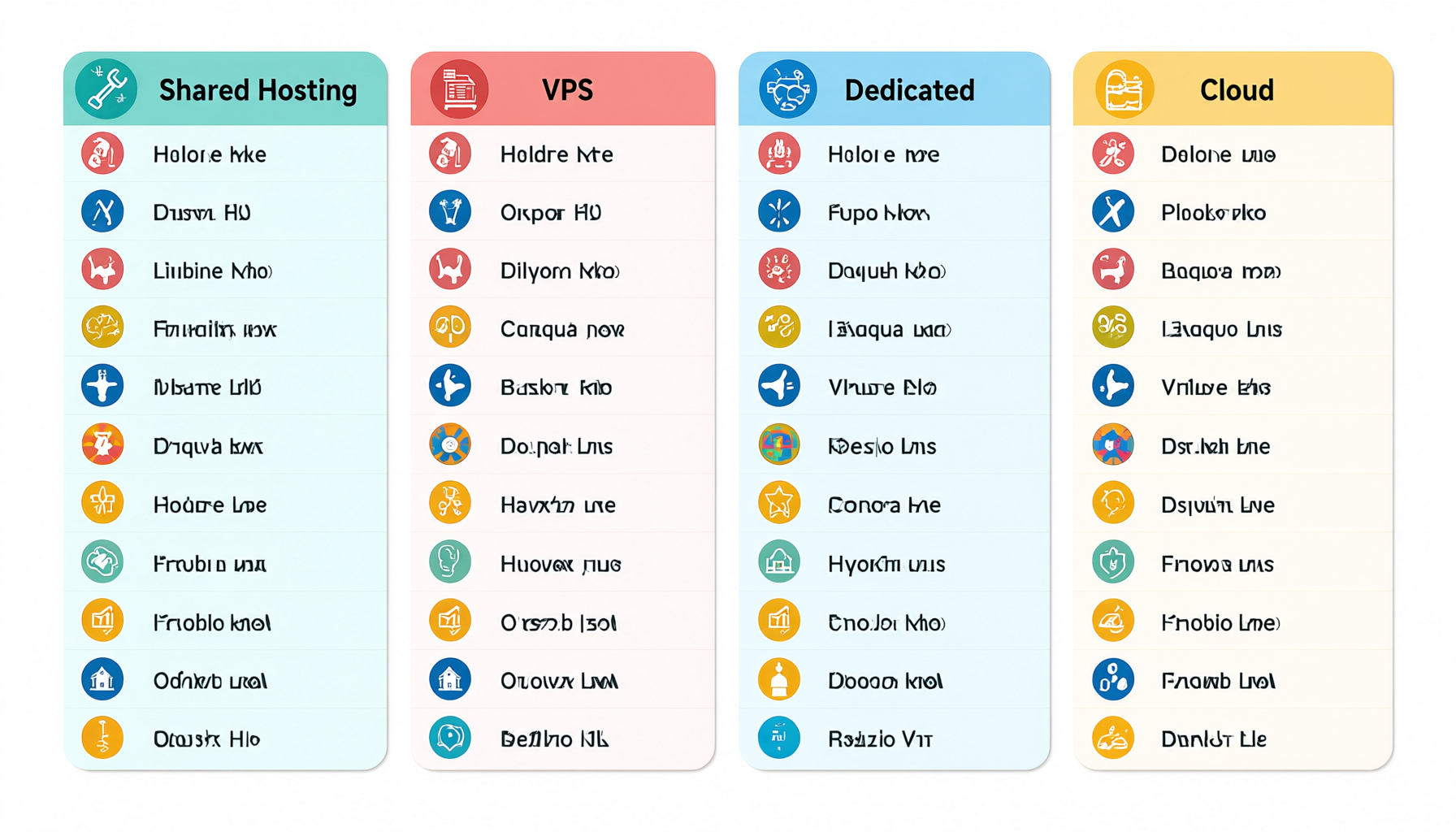
Put simply, a dedicated server is a physical machine whose entire hardware resources belong exclusively to you. A cloud server, by contrast, is a virtual machine carved out of a cluster of dozens — sometimes hundreds — of physical servers via virtualization technology, with resources allocated dynamically and adjustable at any time.
Neither architecture is inherently "better" — it all depends on your business model and what you're optimizing for.
Why More Businesses Are Moving to Cloud Servers
1. Customizable Solutions Tailored to Your Industry
Every industry has vastly different IT requirements. E-commerce sites need to handle sudden traffic spikes during promotions. Online education platforms need reliable video streaming capacity. Gaming companies demand ultra-low latency and robust DDoS protection. Media businesses need massive storage and CDN distribution capabilities.
With a traditional dedicated server, your specifications are locked in once you purchase — it's notoriously hard to scale up or down quickly when business fluctuates.
Cloud-based solutions, on the other hand, can be modularly assembled — combining compute, bandwidth, DDoS protection, load balancing, and more — based on your industry, primary market location, and business cycle. You only pay for what you actually use, no wasted capacity sitting idle.
2. Dramatically Reduced Operations Burden
Under a traditional physical server setup, companies need to build their own technical teams to manage the data center, handle hardware repairs, apply OS patches, and defend against cyberattacks. Not only is the labor cost high, but many teams find themselves underprepared when a real attack hits.
With a cloud server, all of the low-level work — hardware maintenance, data center operations, infrastructure security — is handled by the cloud provider's expert team. Your internal team only needs to focus on upper-layer applications and business logic. You no longer lose sleep over hardware failures, power outages, or network-level attacks. Over the long run, the savings go far beyond just budget — you also free up valuable engineering time.
3. Built for the AI and Big Data Era
Emerging technologies like big data analytics, AI training, and machine learning are almost universally built on cloud architectures. Even the most powerful single dedicated server struggles to handle the elastic compute demands of massive datasets.
If your company has any plans to adopt AI or big data initiatives down the road, cloud-native infrastructure is inevitable. Migrating when you're already scaled up is far more painful — getting on board early can save significant hidden costs in future upgrades and data migration.
When Does a Dedicated Server Still Make Sense?
That said, dedicated servers are far from obsolete. They remain the better choice in several scenarios:
- Maximum raw performance needs: High-traffic game servers, large-scale databases, and workloads requiring deep hardware-level tuning still perform best on bare metal.
- Strict compliance requirements: Industries with strict regulations around data location and physical isolation often require the dedicated hardware that only a physical server can guarantee.
- Stable, long-term workloads: If your traffic is highly predictable with minimal fluctuation and you plan to run the same setup for 3+ years, the total cost of ownership of a dedicated server can work out lower.
How SMBs Should Approach This Decision
Many small and medium-sized businesses get lost in spec sheets when choosing infrastructure — and end up either overpaying or picking the wrong solution, which delays business progress. The decision really boils down to two guiding principles:
First, start from your actual needs. Map out: Is your workload stable or volatile? Where is your primary audience? Are you latency-sensitive? Do you have mid-to-long-term plans around AI or data analytics? Answer those questions, and the answer usually becomes clear.
Second, vet the provider's track record. Whether you choose cloud or dedicated, the provider's technical strength, data center resources, and support response speed often matter more than specs on paper. Prioritize providers with a proven operating history, solid customer references, and responsive technical support — then compare pricing among those shortlisted to find the best value.