How Does VPS Hosting Work? A Complete Guide to VPS Technology (2026)
If you've been shopping around for web hosting, you've almost certainly come across the term "VPS" — short for Virtual Private Server. It's often pitched as the sweet spot between cheap shared hosting and expensive dedicated servers.
But how does a VPS actually work? What is this "virtualization" magic that turns one physical machine into dozens of separate servers? And why do some VPS plans feel lightning-fast while others feel slower than shared hosting?
This guide breaks it all down — from the core technology behind VPS, to the most common virtualization platforms, to how each one affects performance, price, and what you can actually do with your server.
What Is a VPS, Exactly?
At its simplest, a VPS (Virtual Private Server) is a partition of a physical server that behaves like an independent dedicated server.
You get your own:
- Allocated CPU cores
- Reserved RAM
- Dedicated disk space
- Root / administrator access
- Own operating system
…all running on the same physical machine as other VPS instances, but completely isolated from them.
It's like living in an apartment building vs. a house. You share the building (the physical server) with other tenants, but you have your own unit (your VPS) with its own front door, kitchen, and bathroom — nobody else can come in and use your stuff.
The Core Idea: Virtualization
The reason VPS exists at all is a technology called virtualization.
Without virtualization, a server could only run one operating system at a time. You bought a server, you installed one OS on it, and that was that. If you wanted to host 50 different customer websites completely isolated from each other, you needed 50 separate servers — which was insanely expensive and wasteful.
Virtualization changes all that by inserting a thin software layer called a hypervisor between the physical hardware and the operating system. This hypervisor:
- Divides the physical server's resources (CPU, RAM, disk, network) into multiple virtual machines;
- Isolates each virtual machine so one can't see, interfere with, or crash another;
- Manages resource allocation so each VM gets exactly the CPU, RAM, and disk it's promised.
The result? One physical server can safely run dozens of independent virtual servers, each with its own OS, applications, and root access — and each user gets the experience of having a dedicated machine, at a fraction of the cost.
💡 Why "private"? Because even though you're sharing hardware, your VPS is logically separated from everyone else's. Other users on the same physical machine can't access your files, use your memory, or crash your server — just like a real dedicated server.
Why VPS Is So Popular (vs. Shared Hosting & Dedicated Servers)
VPS occupies the middle ground of hosting, and that's exactly why it's so popular:
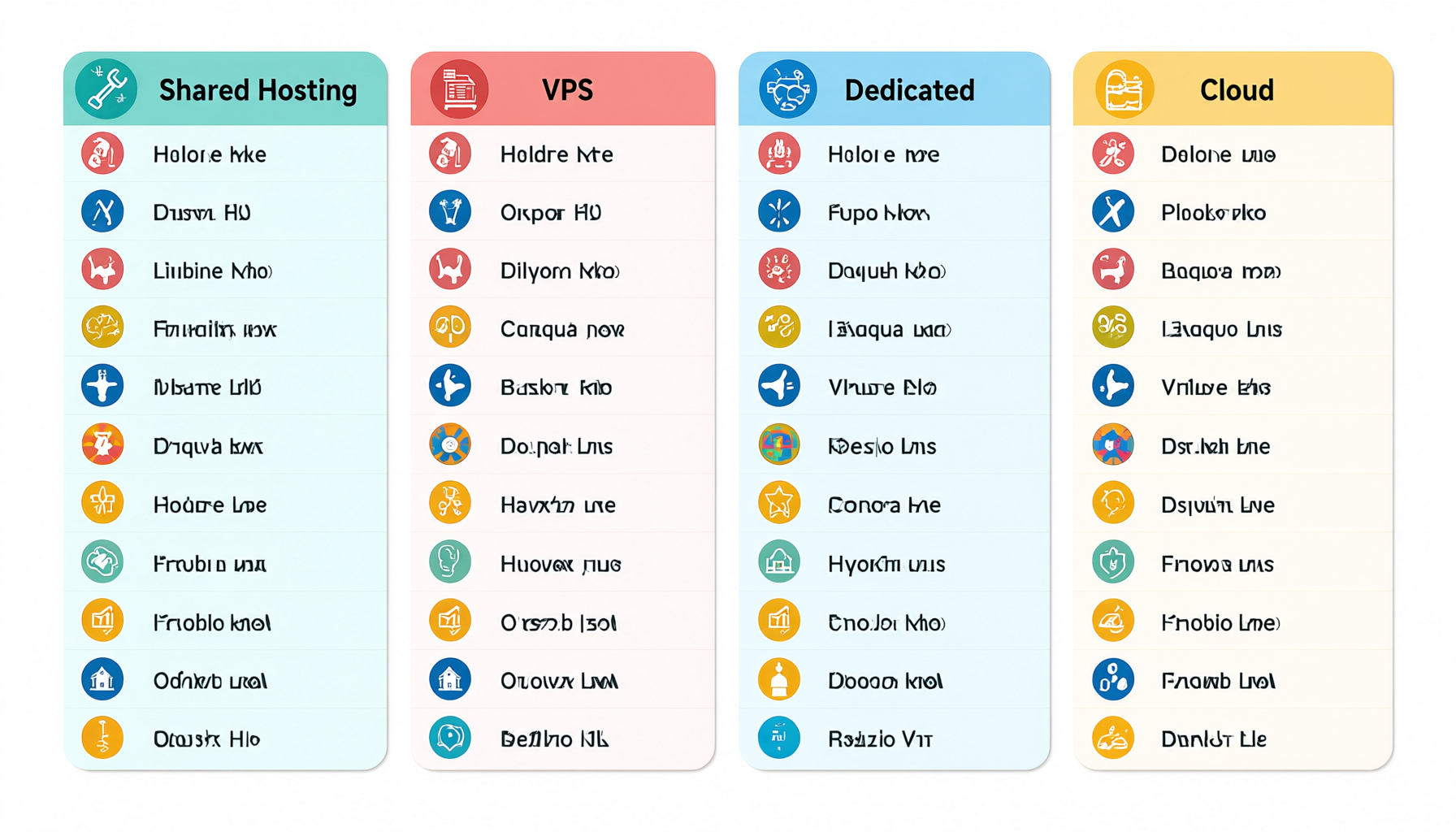
| Feature | Shared Hosting | VPS | Dedicated Server |
|---|---|---|---|
| Root / admin access | ❌ No | ✅ Yes | ✅ Yes |
| Isolation from others | ❌ Limited | ✅ Strong | ✅ Complete |
| Install custom software | ❌ No | ✅ Yes | ✅ Yes |
| Reboot independently | ❌ No | ✅ Yes | ✅ Yes |
| Price | $2–20 / month | $10–100 / month | $80–500+ / month |
| Technical skill required | Very low | Medium | High |
The biggest advantages of VPS:
- 🚀 Better performance than shared hosting — your resources are guaranteed, not shared with hundreds of other sites;
- 🔓 Full control — install whatever you want, configure however you like;
- 💰 Cheaper than a dedicated server — typically 70–80% less;
- 📈 Scalable — upgrade CPU, RAM, and disk space in minutes without migrating.
For growing websites, developers, and small businesses, VPS hits that perfect balance of power, flexibility, and price.
The 5 Major VPS Virtualization Platforms (Compared)
Not all VPS is created equal. The virtualization technology behind it makes a huge difference in performance, flexibility, security, and cost.
Here are the five most common platforms you'll encounter, along with their pros, cons, and ideal use cases.
1. OpenVZ — Lightweight & Efficient, But Limited
OpenVZ is an operating system-level virtualization platform built for Linux. Unlike other solutions on this list, OpenVZ doesn't virtualize hardware — it virtualizes the operating system.
All VPS containers on an OpenVZ host share the same Linux kernel, meaning they can only run Linux (no Windows, no custom kernels).
Pros:
- ⚡ Extremely lightweight — almost no performance overhead (usually 1–3% loss vs. bare metal);
- 💰 Very cheap to operate — hosts can pack more VPS per physical server;
- 🚀 Fast to provision — containers spin up in seconds.
Cons:
- 🔒 Linux only — can't run Windows or custom kernels;
- ⚠️ Weaker isolation — containers share the same kernel, so a kernel-level issue could affect everyone;
- 📦 Limited customization — you can't modify the kernel or load custom modules.
Best for: Budget VPS, hosting providers offering entry-level Linux plans, users who just need a standard Linux environment.
⚠️ Heads up: Because OpenVZ is so lightweight, it's also the platform most prone to overselling (selling more resources than the physical machine actually has). If an OpenVZ plan seems too good to be true, it probably is.
2. Xen — The Classic "Fair Share" Hypervisor
Xen is one of the oldest and most respected bare-metal hypervisors. It was the go-to platform for premium VPS for many years, and it comes in two flavors:
- Xen-PV (Paravirtualization): Modified guest OS for better performance, Linux-only;
- Xen-HVM (Hardware Virtual Machine): Full hardware virtualization, supports any OS including Windows.
The biggest thing people love about Xen: it's very hard to oversell. When you allocate 1GB of RAM to a Xen VPS, that 1GB is genuinely reserved and taken away from the host's available pool. No "ballooning," no sharing, no tricks.
Pros:
- ✅ Strong resource isolation — what you pay for is what you get;
- 🔒 Excellent security — proven track record in enterprise environments;
- 🪟 HVM supports any OS — Windows, Linux, BSD, whatever you want.
Cons:
- 📉 Higher overhead than OpenVZ (roughly 5–10% performance loss);
- 💰 More expensive for providers — and those costs get passed along;
- 🆚 Losing market share to KVM in recent years.
Best for: Users who value fair resource allocation above all else, anyone who's paranoid about overselling.
3. Hyper-V — Microsoft's Virtualization Platform
Hyper-V is Microsoft's enterprise-grade hypervisor, built into Windows Server. As you'd expect from a Microsoft product, it's extremely well optimized for Windows guests.
If you're running ASP.NET, MSSQL, or a Windows-based application stack, Hyper-V VPS will often give you better performance than KVM or Xen at the same price point.
Pros:
- 🪟 Best-in-class Windows support — 32-bit and 64-bit Windows both run great;
- 🛠️ Tight integration with Microsoft's ecosystem (Active Directory, System Center, etc.);
- 💼 Familiar management for teams already using Windows Server.
Cons:
- 🐧 Linux performance is mediocre — it works, but you'll see noticeably more overhead than on KVM or Xen;
- 💸 Licensing costs — Windows licenses add to the price;
- 🔧 Less popular in the budget VPS space — mostly used by enterprise and Windows-focused hosts.
Best for: Windows-based workloads, ASP.NET hosting, enterprise environments running Microsoft infrastructure.
4. KVM — The Current Industry Standard
KVM (Kernel-based Virtual Machine) is a full virtualization solution built right into the Linux kernel. It's become the dominant VPS platform over the last decade, and for good reason.
Because KVM is built into the Linux kernel itself, it's fast, stable, and has massive community and corporate support (Red Hat, IBM, Google, Amazon all use it heavily).
With KVM, each VPS gets its own virtualized hardware — including its own virtual BIOS. You can upload your own ISO, install virtually any operating system, and treat it almost exactly like a physical machine.
Pros:
- ⚡ Excellent performance — close to bare-metal speed on modern hardware;
- 🔓 Maximum flexibility — install any OS (Windows, Linux, BSD, even macOS with some tweaking), load custom kernels, use your own ISOs;
- 🔒 Strong isolation — each VM is truly separate;
- 🌍 Industry standard — supported by nearly every major cloud and hosting provider.
Cons:
- 💾 Higher memory overhead than container-based solutions like OpenVZ;
- 💰 Slightly more expensive than budget OpenVZ plans;
- 🆙 More options means more complexity — great for tinkerers, slightly overwhelming for newbies.
Best for: Developers, tinkerers, anyone who wants maximum flexibility, growing websites, and basically 90% of VPS use cases. If you're not sure which to pick, KVM is usually the safe bet.
5. VMware — The Enterprise Heavyweight
VMware is the biggest name in virtualization, period. From desktop products like VMware Workstation to data center behemoths like vSphere and ESXi, they've been around since the 90s and basically invented the modern virtualization industry.
In the VPS world, you'll encounter VMware in two very different contexts:
- Enterprise-grade VMware ESXi — used by large hosting companies and cloud providers, rock-solid but expensive;
- VMware Workstation / Player-based "VPS" — budget hosts using desktop virtualization software to cut costs, generally not recommended for serious use.
Pros:
- 🏢 Extremely mature and stable — decades of development and real-world testing;
- 📊 Rich management features — snapshots, cloning, vMotion, high availability, you name it;
- 🤝 Broad industry support — every enterprise IT team knows VMware.
Cons:
- 💸 Very expensive — VMware's enterprise licensing costs are substantial, which gets passed to customers;
- 🏋️ Overkill for most small VPS users — you're paying for a ton of features you'll never use;
- ⚠️ Watch out for "Workstation" VPS — some cheap hosts use the desktop version of VMware instead of ESXi, which is not designed for server workloads.
Best for: Enterprise customers, large-scale deployments, organizations already running VMware infrastructure.
Quick Comparison Table
| Platform | Virtualization Type | Supports Windows | Performance | Isolation | Flexibility | Price |
|---|---|---|---|---|---|---|
| OpenVZ | OS-level (containers) | ❌ No | ⭐⭐⭐⭐⭐ Excellent | ⭐⭐ Fair | ⭐⭐ Low | 💰 Cheap |
| Xen | Bare-metal (PV/HVM) | ✅ Yes (HVM) | ⭐⭐⭐⭐ Good | ⭐⭐⭐⭐ Very strong | ⭐⭐⭐ Medium | 💰💰 Mid-range |
| Hyper-V | Bare-metal (Type 1) | ✅ ✅ Excellent | ⭐⭐⭐⭐ Good (Win)⭐⭐⭐ OK (Linux) | ⭐⭐⭐⭐ Strong | ⭐⭐⭐ Medium | 💰💰 Mid-range |
| KVM | Kernel-based (full virt) | ✅ Yes | ⭐⭐⭐⭐⭐ Near bare-metal | ⭐⭐⭐⭐⭐ Excellent | ⭐⭐⭐⭐⭐ Maximum | 💰💰 Mid-range |
| VMware | Bare-metal (Type 1) | ✅ Yes | ⭐⭐⭐⭐ Very good | ⭐⭐⭐⭐⭐ Excellent | ⭐⭐⭐⭐ High | 💰💰💰 Expensive |
Which Type of VPS Should You Choose?
With five platforms to choose from, how do you decide? Here's a simple decision guide:
- 🪟 You need Windows / ASP.NET / MSSQL → Go with Hyper-V (best Windows performance) or KVM (more flexible);
- 🐧 You only need Linux and want the cheapest option → OpenVZ works, but be careful about overselling;
- 🔧 You're a developer / power user who wants maximum control → KVM is the clear choice;
- ⚖️ You care about fair resource allocation and hate overselling → Xen is a traditional favorite (though KVM is catching up);
- 🏢 You're an enterprise with VMware infrastructure → VMware ESXi is the obvious pick.
🎯 For most people reading this: choose KVM. It's the modern standard, it runs everything, it's fast, and the ecosystem is enormous. You almost can't go wrong.
Common Myths About VPS (Debunked)
Myth 1: "VPS is just fancy shared hosting"
False. Shared hosting means you share everything — CPU, RAM, disk, even the same OS. VPS gives you guaranteed, isolated resources and full root access. It's fundamentally different.
Myth 2: "More virtualization platforms = better performance"
Not necessarily. Platforms with less virtualization overhead (like OpenVZ) can feel faster at idle, but KVM and Xen give you more predictable, stable performance under load.
Myth 3: "All KVM VPS is the same"
Definitely false. Two KVM VPS can have wildly different performance depending on the host's CPU, disk type (HDD vs. SSD vs. NVMe), network quality, and — you guessed it — whether they oversell. The platform is just one piece of the puzzle.
Myth 4: "VPS is always better than shared hosting"
No. If you're running a simple WordPress blog with low traffic, shared hosting is cheaper, easier, and more than fast enough. VPS makes sense when you outgrow shared hosting or need features shared hosting can't provide.
Final Thoughts
VPS is one of those technologies that sounds complicated on the surface, but the core idea is simple: use software to split one physical server into multiple independent virtual servers, each with its own resources and operating system.
The virtualization platform matters — OpenVZ is cheap but limited, Xen is fair and classic, Hyper-V is great for Windows, KVM is the flexible all-rounder, and VMware is the enterprise workhorse.
But at the end of the day, the platform is less important than the quality of the provider. A good host running KVM on fast hardware with fair resource allocation will always beat a bad host overselling OpenVZ on old spinning disks.
Pick the platform that matches your needs, then pick a reputable provider with good reviews, a solid network, and fair pricing — and you'll be golden.
💻 Looking for reliable, high-performance VPS?
sixcvm offers enterprise-grade KVM VPS in multiple locations (US, Hong Kong, and more), backed by 10+ years of IDC experience:
- ⚡ KVM virtualization — full root access, your own dedicated resources, install any OS you like;
- 💾 All-NVMe SSD storage — blazing fast disk I/O, no slow spinning disks;
- 🌐 Optimized routes — CN2 GIA + CUVIP + CMI for low-latency access from mainland China;
- 🛡️ Free DDoS protection — 20Gbps baseline included with every plan;
- 👨💻 24/7 technical support — average ticket response under 15 minutes;
- 💰 3-day money-back guarantee — try it risk-free.